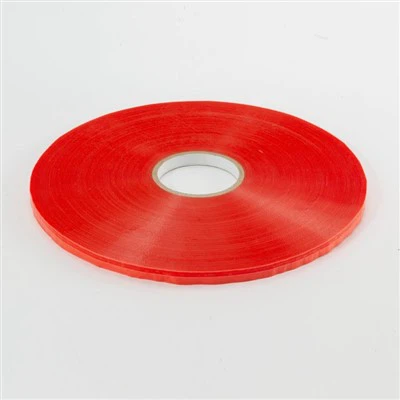

As a trusted supplier of Pe Packing Sealing Tape, I understand the importance of proper storage to maintain the quality and performance of this essential packaging material. In this blog, I'll share some valuable insights on how to store Pe Packing Sealing Tape properly, ensuring it remains in optimal condition for your packaging needs.
Understanding the Nature of Pe Packing Sealing Tape
Pe Packing Sealing Tape, made from polyethylene, is known for its flexibility, durability, and strong adhesive properties. However, these qualities can be affected by various environmental factors. Polyethylene is sensitive to temperature, humidity, and exposure to certain chemicals. Therefore, proper storage is crucial to prevent degradation and ensure the tape retains its effectiveness.
Ideal Storage Conditions
Temperature
The ideal temperature range for storing Pe Packing Sealing Tape is between 10°C and 30°C (50°F and 86°F). Extreme temperatures can cause the tape to become brittle or lose its adhesive strength. In cold temperatures, the polyethylene may harden, making it difficult to unwind and apply. On the other hand, high temperatures can cause the adhesive to soften and become sticky, leading to the tape sticking to itself or other surfaces.
Humidity
Humidity levels should be kept between 40% and 60%. Excessive humidity can cause the tape to absorb moisture, which may weaken the adhesive and lead to mold growth. Low humidity, on the other hand, can cause the tape to dry out and become brittle. To maintain the right humidity level, consider using a dehumidifier or humidifier in the storage area, depending on the local climate.
Light Exposure
Pe Packing Sealing Tape should be stored in a dark place to prevent UV damage. Ultraviolet light can break down the polyethylene and the adhesive, reducing the tape's strength and durability. Store the tape in opaque containers or in a storage area away from direct sunlight.


Storage Methods
Vertical Storage
Storing the tape vertically is recommended to prevent the tape from warping or deforming. When stored horizontally, the weight of the tape can cause it to flatten and lose its shape, making it difficult to unwind. Use a tape rack or a storage cabinet with vertical compartments to keep the tape in an upright position.
Avoid Compression
Do not stack heavy objects on top of the tape, as this can cause the tape to compress and damage the adhesive. If you need to stack multiple rolls of tape, use a storage system that allows for proper ventilation and prevents the tape from being crushed.
Keep it Clean
Make sure the storage area is clean and free of dust, dirt, and debris. Contaminants can adhere to the tape and affect its adhesive properties. Regularly clean the storage shelves and containers to maintain a clean environment for the tape.
Specific Types of Pe Packing Sealing Tape and Their Storage Considerations
Pe Film Bag Sealing Tape
This type of tape is commonly used for sealing plastic film bags. It is important to store it in a dry environment to prevent the film from becoming damp and losing its seal. Keep it away from sharp objects that could puncture the film.
Red Film Bobbin Resealable Bag Sealing Tape
The red film on this tape may be more sensitive to light than other types of tape. Store it in a dark, cool place to preserve its color and adhesive properties.
Pe Sealing Tape for Packaging
This tape is designed for general packaging purposes. Ensure it is stored in a well-ventilated area to prevent the buildup of fumes from the adhesive.
Handling and Inspection
When handling Pe Packing Sealing Tape, always use clean hands or gloves to avoid transferring dirt or oils to the tape. Before using the tape, inspect it for any signs of damage, such as cuts, tears, or discoloration. If the tape appears damaged, do not use it, as it may not provide a proper seal.
Long-Term Storage
If you need to store the tape for an extended period, consider using a vacuum-sealed bag or a storage container with a tight-fitting lid. This can help protect the tape from moisture, dust, and air. Label the container with the date of storage and the type of tape to keep track of its age.
Conclusion
Proper storage of Pe Packing Sealing Tape is essential to maintain its quality and performance. By following the guidelines outlined in this blog, you can ensure that your tape remains in optimal condition for your packaging needs. If you have any questions or need further advice on storing Pe Packing Sealing Tape, feel free to contact us. We are here to help you make the most of our high-quality packaging solutions.
If you are interested in purchasing Pe Packing Sealing Tape or have any inquiries about our products, please reach out to us. We look forward to discussing your packaging requirements and providing you with the best solutions.
References
- Packaging Materials Handbook, Third Edition by Philip A. Paine
- Handbook of Plastic Films by Anil K. Bhowmick and Hari Singh