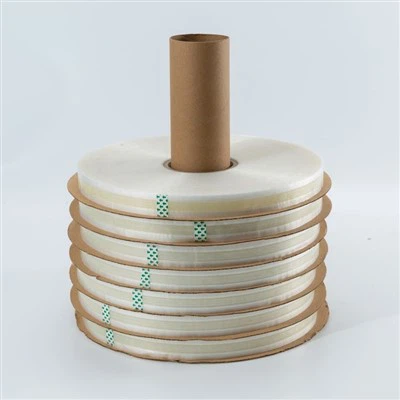

Hey there! I'm a supplier of PE sealing tape, and I often get questions about where our tape can and can't be used. One question that comes up a lot is whether PE sealing tape can be used for sealing air ducts. Let's dig into this topic and find out.


What is PE Sealing Tape Anyway?
First things first, let me give you a quick rundown on PE sealing tape. PE stands for polyethylene, which is a type of plastic. Our PE sealing tape is made from this durable and flexible material. It comes in various types, like the Pe Resealable Bag Sealing Tape, Antistatic Resealable Bag Sealing Tape, and Colored Packing Bag Sealing Tape. Each type has its own unique features and uses, but they all share the common qualities of being strong, sticky, and relatively easy to work with.
Properties of PE Sealing Tape
- Flexibility: PE tape is super flexible. You can bend it, fold it, and wrap it around all sorts of things without it cracking or breaking. This makes it useful for sealing irregularly shaped objects.
- Adhesive Strength: The adhesive on our PE tape is designed to stick well to a variety of surfaces. It can hold up in different temperatures and humidity levels, which is important for long - term sealing.
- Chemical Resistance: Polyethylene has good resistance to many chemicals. This means the tape won't break down easily when it comes into contact with common household or industrial chemicals.
The Requirements for Sealing Air Ducts
Air ducts are an important part of a building's ventilation system. They carry heated or cooled air from the HVAC unit to different rooms. So, sealing air ducts properly is crucial for several reasons.
- Energy Efficiency: Leaky air ducts can cause a lot of energy loss. When air leaks out of the ducts, the HVAC system has to work harder to maintain the desired temperature in the building, which means higher energy bills.
- Indoor Air Quality: Sealing air ducts helps prevent dust, dirt, and other contaminants from getting into the air that you breathe. It also stops moisture from entering the ducts, which can lead to mold growth.
- System Performance: Well - sealed air ducts ensure that the HVAC system runs efficiently. This can extend the lifespan of the system and reduce the need for frequent repairs.
Ideal Qualities of Air Duct Sealing Materials
- Airtightness: The sealing material should create an airtight seal to prevent air from leaking out.
- Durability: It needs to withstand the constant flow of air, temperature changes, and potential vibrations within the duct system.
- Flame Resistance: Since air ducts are part of a building's ventilation system, the sealing material should be flame - resistant to meet safety codes.
- Compatibility: The sealant should be compatible with the materials used in the air ducts, such as metal, fiberglass, or plastic.
Can PE Sealing Tape Meet the Requirements?
Now, let's see if our PE sealing tape can measure up to the requirements for sealing air ducts.
Pros of Using PE Sealing Tape for Air Ducts
- Flexibility Advantage: The flexibility of PE tape can be a big plus when it comes to sealing air ducts. You can easily wrap it around curved or oddly shaped parts of the ductwork, creating a snug seal.
- Adhesive Bond: The strong adhesive on our PE tape can stick well to many types of duct materials. It can hold the tape in place, even with the air flowing through the ducts.
- Cost - Effective: Compared to some other specialized air duct sealing materials, PE sealing tape is relatively inexpensive. This can make it an attractive option for small - scale duct sealing projects or for DIYers on a budget.
Cons of Using PE Sealing Tape for Air Ducts
- Limited Durability: While PE tape is durable in many situations, it may not hold up as well in the long - term in an air duct environment. The constant air flow, temperature fluctuations, and potential vibrations can cause the tape to loosen or peel over time.
- Flame Resistance: Standard PE sealing tape may not have the necessary flame - resistant properties required for air duct sealing. This could be a major safety issue, as it may not meet building codes.
- Airtightness Concerns: Although the tape can create a seal, it may not provide the same level of airtightness as some professional - grade air duct sealants. This could result in some air leakage, reducing the energy efficiency of the HVAC system.
When Can You Use PE Sealing Tape for Air Ducts?
There are some situations where using PE sealing tape for air ducts might be okay.
- Temporary Fixes: If you have a small leak in the air duct and you need a quick, temporary solution, PE tape can be used. For example, if you notice a small tear in a flexible duct and you're waiting for a professional to come and make a proper repair, you can use the tape to stop the immediate air leakage.
- Low - Pressure Ducts: In some buildings, there may be low - pressure air ducts that don't experience a lot of air flow or pressure changes. PE tape could be used for sealing these types of ducts, as long as you're aware of its limitations and understand that it may not be a long - term solution.
When Not to Use PE Sealing Tape for Air Ducts
On the other hand, there are definitely situations where you should avoid using PE sealing tape for air ducts.
- High - Pressure Ducts: In commercial or industrial buildings with high - pressure air duct systems, the tape is unlikely to hold up. The strong air flow and pressure can quickly cause the tape to peel or come loose, leading to significant air leakage.
- Flame - Resistant Requirements: If your building has strict fire safety codes that require flame - resistant air duct sealing materials, using standard PE tape is out of the question. You'll need to use a certified flame - resistant sealant instead.
- Long - Term Sealing Needs: For a long - lasting, reliable seal, especially in a home or building where energy efficiency is a priority, it's best to use a professional - grade air duct sealant. These sealants are designed specifically for air duct applications and can provide better airtightness and durability over time.
Conclusion
So, can PE sealing tape be used for sealing air ducts? The answer is it depends. While PE sealing tape has some advantages, like its flexibility and cost - effectiveness, it also has several limitations, especially when it comes to long - term durability and meeting safety requirements.
If you're considering using PE sealing tape for your air duct sealing project, it's important to carefully assess the situation. For small, temporary fixes or low - pressure duct systems, it might be an option. But for larger, more permanent installations or when safety is a major concern, you should look for a more appropriate air duct sealing material.
If you're still unsure about whether our PE sealing tape is right for your needs, or if you're interested in learning more about our products, don't hesitate to reach out. We're here to help you make the best decision for your project. Whether it's the Pe Resealable Bag Sealing Tape, Antistatic Resealable Bag Sealing Tape, or Colored Packing Bag Sealing Tape, we've got a wide range of options to suit different applications. Contact us today to start a conversation about your procurement needs!
References
- "Air Duct Sealing: Best Practices and Materials." HVAC Journal.
- "Polyethylene Materials: Properties and Applications." Plastics Research Institute.