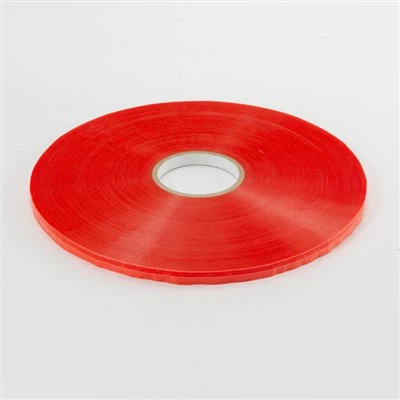

In the realm of packaging and sealing solutions, PE heat resistant sealing tape has emerged as a reliable choice for various industries. As a leading supplier of this essential product, we often encounter a common question from our customers: Does PE heat resistant sealing tape discolor over time? In this blog post, we will delve into the science behind PE heat resistant sealing tape, explore the factors that could potentially lead to discoloration, and provide insights on how to maintain its quality over an extended period.
Understanding PE Heat Resistant Sealing Tape
PE, or polyethylene, is a versatile thermoplastic polymer known for its excellent chemical resistance, durability, and flexibility. When used in heat resistant sealing tape, PE is engineered to withstand high temperatures without losing its adhesive properties or structural integrity. This makes it ideal for applications where sealing materials are exposed to heat, such as in food packaging, electronics manufacturing, and automotive industries.
Our Pe Sealing Tape for Packaging is designed to provide a secure and long - lasting seal. It is available in different thicknesses, widths, and colors to meet the diverse needs of our customers. Whether you need to seal bags, cartons, or other packaging materials, our PE heat resistant sealing tape offers a reliable solution.
Factors That Could Cause Discoloration
While PE heat resistant sealing tape is generally known for its stability, several factors can potentially cause it to discolor over time.
Exposure to UV Radiation
Ultraviolet (UV) radiation from sunlight or artificial sources can have a significant impact on the appearance of PE tape. When PE is exposed to UV rays, the polymer chains in the tape can break down, leading to the formation of free radicals. These free radicals can react with oxygen in the air, causing oxidation and subsequent discoloration. The tape may start to turn yellow or become brittle over time.
To mitigate the effects of UV radiation, our Coloured Adhesive Bag Sealing Tape can be formulated with UV stabilizers. These additives help to absorb or reflect UV rays, protecting the tape from damage and maintaining its original color for a longer period.
High - Temperature Exposure
Although PE heat resistant sealing tape is designed to withstand high temperatures, prolonged exposure to extreme heat can still cause discoloration. When the tape is subjected to temperatures beyond its specified heat resistance limit, the polymer structure can undergo thermal degradation. This can result in changes in the chemical composition of the tape, leading to color changes.
For example, if the tape is used in an industrial oven where the temperature is consistently above its rated heat resistance, it may start to darken or develop a charred appearance. To prevent this, it is important to choose a tape with a heat resistance rating that is appropriate for the intended application.
Chemical Exposure
Contact with certain chemicals can also cause PE heat resistant sealing tape to discolor. Chemicals such as solvents, acids, and alkalis can react with the polymer matrix of the tape, altering its physical and chemical properties. This can lead to color changes, swelling, or loss of adhesion.
In industrial settings, where the tape may come into contact with a variety of chemicals, it is crucial to select a tape that is resistant to the specific chemicals present in the environment. Our technical team can provide guidance on the most suitable tape for your particular chemical exposure requirements.
Preventing Discoloration of PE Heat Resistant Sealing Tape
Proper Storage
Proper storage of PE heat resistant sealing tape is essential to prevent discoloration. The tape should be stored in a cool, dry place away from direct sunlight and sources of heat. It is recommended to store the tape in its original packaging to protect it from dust, moisture, and other contaminants.
If the tape needs to be stored for an extended period, it should be kept at a temperature between 10°C and 30°C and a relative humidity of 40% - 60%. This will help to maintain the integrity of the tape and prevent premature discoloration.
Appropriate Application
When applying PE heat resistant sealing tape, it is important to follow the manufacturer's instructions carefully. This includes ensuring that the surface to which the tape is applied is clean, dry, and free of grease or oil. Any contaminants on the surface can affect the adhesion of the tape and potentially lead to discoloration.
In addition, the tape should be applied evenly and smoothly to avoid air bubbles or wrinkles, which can trap moisture and cause discoloration over time.
Regular Inspection
Regular inspection of the installed tape can help to detect any signs of discoloration or damage early on. If discoloration is noticed, it is important to determine the cause and take appropriate corrective action. This may involve replacing the tape or adjusting the operating conditions to reduce the exposure to factors that can cause discoloration.
Our Assurance as a Supplier
As a trusted supplier of PE heat resistant sealing tape, we are committed to providing high - quality products that meet the highest industry standards. Our tapes are rigorously tested for heat resistance, adhesion, and color stability before they are released to the market.


We also offer a range of Pe Resealable Bag Sealing Tape options that are designed to provide convenience and durability. These tapes are suitable for applications where repeated opening and closing of packages is required.
Contact Us for Your Sealing Needs
If you are looking for reliable PE heat resistant sealing tape for your business, we are here to help. Our team of experts can assist you in selecting the right tape for your specific application and provide you with detailed technical information. Whether you need a small quantity for a trial or a large - scale order for continuous production, we can offer competitive pricing and prompt delivery.
To discuss your requirements and explore our product range further, please feel free to get in touch with us. We look forward to the opportunity to work with you and provide you with the best sealing solutions.
References
- Polymer Science and Technology, Third Edition, by Bhowmick, A. K. and Stephens, H. L.
- Handbook of Adhesives and Sealants, Second Edition, edited by Satas, D.
- The Plastics Compounding Book, by Ihara, M.