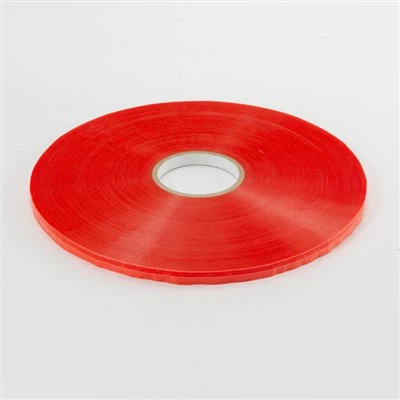

As a supplier of PE heat-resistant sealing tape, I often receive inquiries from customers about the versatility of our product. One common question that comes up is whether PE heat-resistant sealing tape can be used for sealing fuel lines. In this blog post, I'll explore this topic in detail, drawing on scientific knowledge and industry experience to provide a comprehensive answer.
Understanding PE Heat-Resistant Sealing Tape
PE, or polyethylene, is a widely used thermoplastic polymer known for its excellent chemical resistance, flexibility, and durability. Our PE heat-resistant sealing tape is specifically designed to withstand high temperatures, making it suitable for a variety of applications where heat is a concern. The tape is typically made from a layer of PE film coated with a high-performance adhesive that provides a strong and reliable seal.
The heat resistance of our tape is one of its key features. It can withstand temperatures ranging from [specific temperature range] without losing its adhesive properties or structural integrity. This makes it ideal for use in environments where other types of tapes may fail due to heat exposure.
The Requirements for Sealing Fuel Lines
Fuel lines are an essential component of any vehicle or machinery that uses fuel. They are responsible for transporting fuel from the fuel tank to the engine, and it's crucial that they are properly sealed to prevent fuel leaks. Sealing fuel lines requires a material that can meet several specific requirements:
- Chemical Resistance: Fuel is a complex mixture of hydrocarbons and additives, and it can be highly corrosive. The sealing material must be able to resist the chemical attack of fuel without degrading or losing its sealing properties.
- High Temperature Resistance: The temperature inside a fuel line can vary depending on the operating conditions of the vehicle or machinery. The sealing material must be able to withstand the high temperatures generated by the engine without melting or deforming.
- Pressure Resistance: Fuel lines are under pressure, and the sealing material must be able to withstand the pressure without leaking.
- Flexibility: Fuel lines are often routed through tight spaces and around corners, and the sealing material must be flexible enough to conform to the shape of the fuel line without cracking or peeling.
Can PE Heat-Resistant Sealing Tape Meet the Requirements?
Let's examine how our PE heat-resistant sealing tape measures up against the requirements for sealing fuel lines:
Chemical Resistance
PE is known for its excellent chemical resistance, and our tape is no exception. It can resist the chemical attack of many common fuels, including gasoline, diesel, and ethanol. However, it's important to note that the chemical resistance of the tape may vary depending on the specific formulation of the fuel and the duration of exposure. In some cases, prolonged exposure to certain types of fuel may cause the tape to swell or degrade over time.
High Temperature Resistance
Our PE heat-resistant sealing tape is designed to withstand high temperatures, and it can handle the temperatures typically encountered in fuel lines. However, the maximum temperature that the tape can withstand may be affected by factors such as the thickness of the tape, the duration of exposure, and the presence of other heat sources. It's important to ensure that the tape is used within its specified temperature range to avoid any potential issues.
Pressure Resistance
While our tape has good adhesive strength, it may not be able to withstand the high pressures typically found in fuel lines. Fuel lines are designed to operate under pressure, and a small leak can have serious consequences. For this reason, it's generally not recommended to use PE heat-resistant sealing tape as the primary sealing material for fuel lines.
Flexibility
Our tape is flexible and can conform to the shape of the fuel line, which is an important factor in ensuring a proper seal. However, it's important to note that the flexibility of the tape may be affected by the temperature and the type of fuel. In some cases, the tape may become stiff or brittle at low temperatures, which can make it difficult to apply and may reduce its sealing effectiveness.
Alternatives to PE Heat-Resistant Sealing Tape for Fuel Lines
While PE heat-resistant sealing tape may not be the best choice for sealing fuel lines, there are other materials that are specifically designed for this application. Some common alternatives include:
- Rubber Gaskets: Rubber gaskets are a popular choice for sealing fuel lines because they are flexible, durable, and can withstand the chemical attack of fuel. They are available in a variety of shapes and sizes to fit different types of fuel lines.
- Teflon Tape: Teflon tape is a high-performance sealing material that is known for its excellent chemical resistance and low friction. It is often used in applications where a tight seal is required, such as in fuel lines and plumbing systems.
- O-Rings: O-rings are circular seals that are made from rubber or other elastomeric materials. They are commonly used in fuel lines to provide a reliable seal between two components.
Conclusion
In conclusion, while our PE heat-resistant sealing tape has many excellent properties, it is generally not recommended for use in sealing fuel lines. The requirements for sealing fuel lines are very specific, and the tape may not be able to meet all of these requirements. However, our tape is still a great choice for a variety of other applications, such as sealing [mention other applications].
If you are looking for a reliable sealing solution for your fuel lines, I recommend considering one of the alternatives mentioned above. However, if you have any questions about our PE heat-resistant sealing tape or its suitability for other applications, please don't hesitate to contact us. We are always happy to help and provide you with the information you need to make an informed decision.
For more information about our PE sealing tapes, you can visit the following links:


If you are interested in purchasing our products or discussing your specific requirements, please reach out to us. We look forward to the opportunity to work with you and provide you with high-quality sealing solutions.
References
- "Polyethylene: Properties, Processing, and Applications" by X. Zhang and Y. Yang
- "Fuel System Design and Development" by J. Heywood
- "Sealing Technology Handbook" by D. Dowson