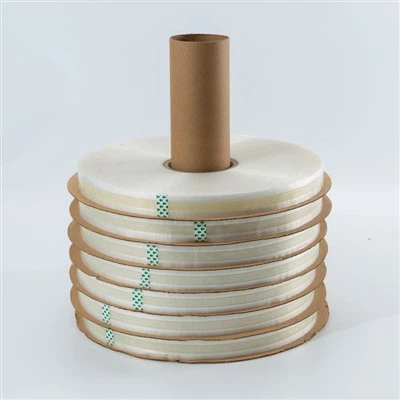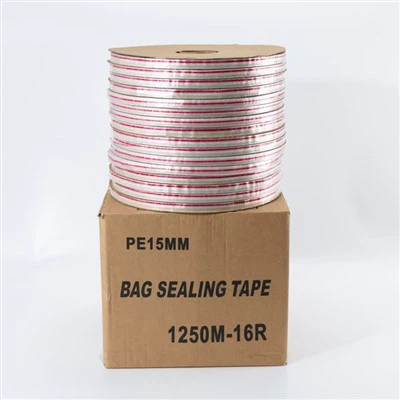


Zhejiang Zhuolv New Materials Co., Ltd. is one of the leading manufacturers and suppliers of pe waterproof sealing tape in China, also supports customized service. If you're going to buy bulk durable pe waterproof sealing tape, welcome to get pricelist and free sample from our factory. Quality products and reasonable price are available.
PE Waterproof Sealing Tap
Technical Drafting and Procurement
Guide for Industrial Procurement (2026)
The PE waterproof sealing tape (PE moisture sealing tape, PE seam sealing tape, PE moisture sealing tape, and polyethylene waterproof sealing sealing tape) has extensive application and markets for sealing overlaps, seams, penetrations, and joints that pose risks of water intrusion and moisture vapor leakage. From a procurement perspective, sealing moisture, and preventing corrosion, mold, and insulation failure, are not tapes that merely seals, but that successfully control expensive reworks, product returns, and field callbacks aggravating corrosion and mold insulation failures. In addition to being a moisture sealing tape, this product is an audit defense and warranty replacement tape.


The demand for this product continues to rise: industry market reports have an estimated global adhesive tape market valued at 85 billion dollars in 2024 to approaching $111 billion by 2030, meaning the demand for suppliers, for stocks of differing types to perform disparate caliber to increase. For procurement professionals, this will bring the need for clear and concise product and procurement expectations to perform and meet the demand.
The purpose of this guide is to describe, from an engineering and procurement point of view interface perspective, PE waterproof sealing tape, its composition, how to properly assess the adequacy of suppliers, the composition and criticality of the tape, and the sufficiency of the sealing tape, to minimize the risks and lead to fewer failures.
1) What "PE Waterproof Sealing Tape" Means in Real Procurement
In the field of industrial practice, the construction of PE waterproof sealing tape typically involves the use of pressure-sensitive adhesive (PSA) tape that has a PE film backing, or PE-based film composite, which is designed to withstand moisture and retain adhesive properties in wet and humid conditions.
Even though PE tape can be described as "waterproof", that means it can serve a wide variety of performance targets. Therefore, we can divide PE tapes into two distinct procurement categories:
A) PE film + PSA seam tapes (vapor barrier/moisture seam sealing)
These are used to seal overlaps of PE membranes and plastic sheeting, as found in under-slab vapor barriers, crawlspace liners, and insulation facings. The typical procurement focus is on:
• Adhesion to PE films and common jobsite substrates
• Conformability to wrinkles and overlaps
• Low water vapor permeance (when vapor control is the goal)
B) Self-adhered waterproofing/flashing tapes (butyl-based adhesive with film backing)
These are used in construction for building envelope detailing, especially windows/doors, sheathing, and water penetration transitions and overlaps, where the primary threat is bulk water. The typical procurement focus is on:
• Aggressive adhesion to wood-based panels, masonry, metal, plastic
• Cold weather installation
• water holdout and durability under intermittent exposure
Procurement summary: A tape that is excellent for "vapor seam sealing" is likely the wrong choice for "exterior bulk water flashing", and vice versa. Your RFQ must specify what failure mode you are preventing.
2) Specialized Categories (Utilize This To Shortlist Efficiently)
|
Category |
Typical construction |
Best for |
Typical procurement watch-outs |
|
General PE waterproof sealing tape |
PE backing + rubber PSA |
General sealing, moisture proofing, temporary protection |
Limited UV/heat tolerance unless explicitly rated |
|
PE seam/vapor barrier tape |
PE film + rubber PSA; low permeance focus |
Sealing PE membranes, vapor barriers, overlap seams |
Not intended for long UV exposure or high movement joints |
|
Flashing-grade waterproof tape |
Film backing + butyl (or advanced PSA) |
Window/door flashing, penetrations, bulk water defense |
Needs substrate-specific validation; temperature window matters |
|
Reinforced waterproof tape |
PE film laminated to scrim/mesh + PSA |
Joints with movement, higher tear resistance |
Can be stiffer-harder around tight corners |
|
Double-sided sealing tape |
Carrier + PSA both sides |
Bonding overlaps, gasket-like sealing in assemblies |
Wet/dirty surfaces reduce bond unless designed for it |
3) Buyer Pain Points (And How To Mitigate Them In an RFQ)
The majority of tape failures may not be attributed to "mysteries." Instead, they could be attributed to unaligned adhesive chemistry, surfaces, or vague acceptance criteria.
|
Pain point |
What it looks like |
Common root cause |
What procurement should control |
|
Tape lifts after installation |
Edge curl, seam opens, leaks |
Dust/moisture, low surface energy, poor pressure during application |
Surface prep requirement + field trial + peel testing on your substrate |
|
"Waterproof" claim doesn't match reality |
Water intrusion at seams |
Wrong category (vapor tape used for bulk water) |
Specify bulk water holdout vs vapor control vs wet-surface tack |
|
Cold-weather failures |
Winter leak spikes |
Adhesive can't wet-out at low temp |
Minimum application temperature + cold-condition validation |
|
UV degradation |
Cracking, embrittlement |
Tape not rated for exposure duration |
UV exposure limit before cover/cladding |
|
Inconsistent rolls / lot drift |
Random failures across projects |
Weak process control, coat-weight variation, slitting issues |
Lot CoA + roll traceability + change-control clause |
4) Technical Specifications Procurement Should Manage
When you specify only width and roll length, you're essentially purchasing with no vision. High-performing programs establish measurable, repeatable criteria for acceptance.
4.1 Core specification checklist (recommended)
Backing material & thickness (PE type and thickness)
Total thickness
Adhesive type (rubber PSA / acrylic PSA / butyl-based)
Peel adhesion (on your exact substrates)
Shear resistance / holding power
Tensile strength & elongation (important for seams under stress)
Water vapor permeance (if moisture/vapor control is the objective)
Application temperature minimum and service temperature range
UV exposure limit (if exposed before cover)
Shelf life and storage conditions
Roll quality (edge quality, core ID, max OD, splice policy)
4.2 Standards to reference in contracts (common in procurement specs)
Peel adhesion: ASTM D3330 (commonly used for PSAs)
Thickness: ASTM D3652 (commonly used for pressure-sensitive tape thickness)
Water vapor transmission/permeance: ASTM E96 (commonly used in vapor control contexts)
Flashing performance frameworks: AAMA 711 is frequently referenced in fenestration flashing specifications
4.3 Procurement-ready RFQ specification table (fill targets during trials)
|
Parameter |
Unit |
Why it matters |
Acceptance format you can enforce |
|
Total thickness |
mil / mm |
Build-up, consistency |
Target ± tolerance, method defined |
|
Backing thickness |
mil / mm |
Tear/conformability |
Minimum/nominal + tolerance |
|
Peel adhesion (your substrate @ 23°C) |
N/25 mm or oz/in |
Seal integrity |
Test method + dwell + speed + pressure specified |
|
Peel after aging (heat/humidity) |
same |
Stability/residue risk |
Same method + residue scoring |
|
Shear/holding power |
time or load |
Creep resistance |
Minimum holding requirement |
|
Tensile / elongation |
N/cm, lb/in, % |
Seam stress tolerance |
Minimum values |
|
Water vapor permeance (if needed) |
perms |
Vapor control |
Maximum value + method |
|
Min application temperature |
°C/°F |
Cold install success |
Minimum + trial protocol |
|
UV exposure limit |
days |
Prevent degradation |
Max exposure before covering |
|
Shelf life |
months |
Inventory planning |
Minimum shelf life + storage conditions |
|
CoA & traceability |
- |
Lot consistency |
CoA per lot + traceable roll IDs |
5) Material Variations That Drive Cost & Performance
5.1 PE film backing options
LDPE film: flexible, conformable, good for irregular surfaces and overlap seams
HDPE film: stiffer, often better puncture resistance, less conformable
Co-extruded PE films: tuned for tear resistance, barrier properties, or process handling
Reinforced PE: PE laminated to scrim/mesh to improve tear resistance and seam durability5.2 Families of Adhesives (differences relevant to procurement)
Rubber PSA: strong initial tack, often chosen for seam sealing, can be more sensitive to heat aging and certain chemicals
Acrylic PSA: often exhibits improved long-term aging and UV stability, may require careful surface prep on low-energy surfaces such as PE
Butyl-based: often specified for external water intrusion protection (flashing style applications), provides a strong sealing feel and reasonable gap filling, but temperature and dirt sensitivity still require validation
6) Industrial Application Map (Where PE Waterproof Sealing Tape Fits Best)
|
Application |
Primary risk |
Recommended tape family |
Key procurement tests |
|
Under-slab vapor barriers |
Moisture vapor migration |
PE seam/vapor barrier tape |
Permeance, peel on membrane, tensile |
|
Building envelope flashing |
Bulk water intrusion |
Flashing-grade tape (often butyl-based) |
Adhesion to sheathing/masonry, cold install, aging |
|
HVAC insulation seams |
Condensation + air leakage |
PE seam tape / reinforced |
Peel on facing, temperature cycling, shear |
|
Outdoor equipment covers |
Rain + UV exposure |
UV-rated PE tape or flashing grade |
UV exposure duration, peel after aging |
|
General industrial moisture proofing |
Splash + humidity |
General PE tape |
Peel, conformability, chemical resistance screening |
7) Market Alternatives (When PE Tape Is Not the Best Answer)
Aluminum foil tapes: excellent vapor barrier and temperature performance but less conformable and can crack with movement
PVC tapes: flexible and easy to handle, may creep under heat depending on formulation
Liquid applied sealants/mastics: good for irregular gaps, but more time-intensive due to curing and labor variability
EPDM or fabric reinforced tapes: often better for high movement joints, but typically at a higher cost
Procurement rule of thumb: when bulk water protection around openings is required, prioritize a flashing grade system over a low-permeance seam tape selected solely on price
8) Supplier Evaluation Criteria (Trustworthiness Checklist)
A supplier that is worth scaling with provides repeatability, not a sample roll that passes once.
8.1 Technical capability (what to verify)
Control of coating process (uniformity of coat-weight and tack consistency)
Quality of slitting (clean edges, free of telescoping, widths consistent)
Control documentation of critical-to-quality parameters
Customization of liner features (finger-lift, split liner), if applicable
8.2 Quality system and lot discipline
CoA at lot level on thickness, peel, shear, and if applicable, permeance
Traceability: complete. roll ID's to batch, date of production, lots of raw materials
Corrective action, (8D-style response expectations)
8.3 Change-control (high-impact procurement clause)
Require pre-approval for changes to:
PE resin grade or film supplier
Adhesive formulation (tackifier, plasticizer, stabilizers)
Primer/coating process
Liner type or silicone release system
Targets of coat weight or thickness
8.4 Trade and customs readiness (practical procurement detail)
Many self-adhesive plastic tapes fall under the HS heading 3919. The final classification is dependent on construction and destination rules-this needs to be confirmed with your customs broker.
9) Certifications & Standards Buyers Typically Cite

Applicable standards are based on your needs including those of the customer:
AAMA 711 or similar frameworks are referenced in many Fenestration flashing and building envelope projects
ASTM E96 seems to be the standard most often cited for tests of permeance and water vapor transmission for vapor barrier seam work.
REACH/SVHC declarations, RoHS (industrial/electronics) and customer restricted substance lists for project-specific compliance
Quality management at the supply chain level for industrial converting is ISO 9001, and is often required (certification isn't enough-combine it with CoA compliance and traceability)
10) Application Cases (What Successful Solutions Look Like)
Case A: Under-slab vapor barrier seams (moisture control at scale)
Issue: flooring failures and indoor air quality issues stemming from moisture vapor leaks at overlaps.
Pattern of solution:
Implement use of a seam tape for PE membranes
Implement surface cleanliness (dust, dirt, and moisture must be absent)
Implement standard overlap width and roller pressure application (pressure)
Success indicators: improved consistency among crews, reduced flooring claims, and a decline in moisture-related callbacks.
Case B: Window/door rough opening (bulk water intrusion prevention)
Issue: Warranty claims stemming from leaks around openings.
Solution pattern:
Select a system with flashing-grade waterproof tape Validate tape adhesion with the actual sheathing and WRB system. Verify the cold-weather installation and UV exposure limits before the cladding goes on. Success metrics: reduced defects due to leakage, fewer field repairs, and improved audit results. Case C: Job sites with cold-weather conditions (adhesion failures below install temperature) Problem: tape lifts during winter installs, although it passes the room temperature testing. Solution pattern: Define and enforce a minimum install temperature \* Conduct trials with cold-conditioned substrates, and trials with actual seam assembly. Success metrics: consistent performance across seasons and fewer winter-only occurrences.
11) Measurement Conversions (Speed Up Cross-Region RFQs)
|
Unit |
Conversion |
|
1 mil |
0.0254 mm |
|
1 in |
25.4 mm |
|
oz/in (peel) |
1 oz/in ≈ 0.109 N/cm |
|
°F to °C |
(°F − 32) × 5/9 |
12) Q&A (Procurement-Focused)
Hot Tags: pe waterproof sealing tape, China pe waterproof sealing tape manufacturers, suppliers, Color Printing Permanent Sealing Tape, Double Sided Bag Sealing Tape, Pe Film Bag Sealing Tape, Pe Printed Sealing Tape, Pe Sealing Tape for E Commerce Packaging, Pe Sealing Tape for Mailing Bags